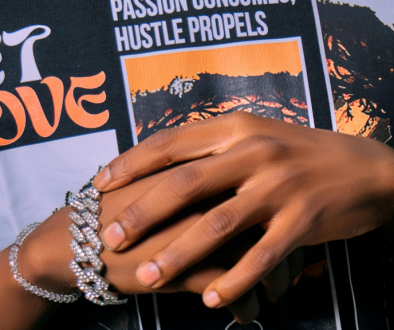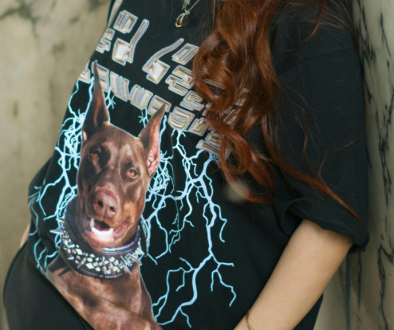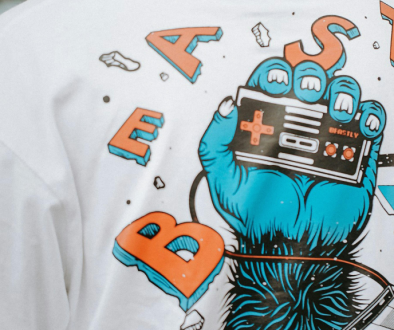
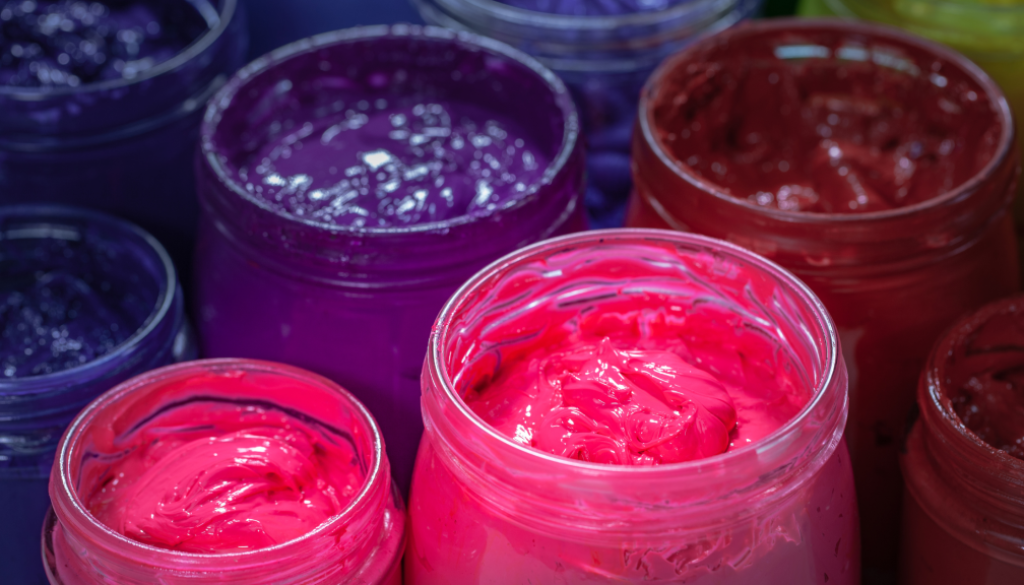
In the world of custom apparel, standing out has never been harder. Every band, sports team, and lifestyle brand is producing merchandise—but only some create pieces that fans keep for years. The difference often comes down to special effects printing. Techniques like foil printing, puff ink, metallic inks, glow-in-the-dark designs, and hybrid printing transform basic t-shirts and hoodies into premium, collectible apparel that tells a story.
As the custom apparel market continues to grow, special effects are becoming less of a novelty and more of a competitive necessity. For buyers, understanding how these methods work—and when to use them—can be the difference between creating a throwaway item and building a product line that drives loyalty and revenue.
Why Special Effects Printing Matters
Special effects elevate garments from flat, predictable designs into pieces that feel interactive, textured, and memorable. For fans, these details connect directly to experiences—concert lights bouncing off metallic foil, a puff-ink logo they can run their hands across, or a glow-in-the-dark graphic revealed at a festival. For brands, the benefits are clear:
- Differentiation: Unique finishes stand out in crowded merch tables and online shops.
- Premium pricing: Specialty garments command higher retail prices.
- Emotional connection: Tactile and visual effects deepen the fan or customer experience.
- Longevity: Higher-quality finishes often extend garment life, reinforcing the brand every time it’s worn.
Foil Printing: Adding Shine and Luxury
Foil printing applies metallic foil onto fabric using adhesive and heat. The result is a reflective, high-shine finish that instantly feels upscale. Foil is especially effective for logos, bold lettering, or minimal graphics meant to pop under lights. While not ideal for fine details, it is one of the best ways to create high-fashion or premium-feeling merch. Gold and silver are classics, but holographic and colored foils are increasingly popular in streetwear collaborations and limited-edition music drops.
Puff Ink: Texture That Demands Attention
Puff ink is created by adding a heat-reactive foaming agent to plastisol ink. When cured, the ink expands, creating a raised, 3D texture. Puff ink had its heyday in the 1980s and is now seeing a major resurgence in retro-inspired fashion and limited-run streetwear collections. It works best for bold, simple graphics and type treatments. The tactile dimension creates an instant conversation piece, appealing to fans who want their apparel to feel as unique as it looks.
Metallic Inks: Subtle Shimmer with Durability
Unlike foil, metallic inks mix reflective particles directly into the ink. The effect is more subtle but highly versatile, and unlike foil, metallic inks wash well and remain flexible over time. This makes them especially popular for athletic logos, corporate branding, and tour shirts that need to balance visual impact with durability.
Glow-in-the-Dark and UV-Reactive Prints
These inks add interactivity and surprise. Glow-in-the-dark designs store energy under light and release it in the dark, making them perfect for festivals, concerts, and nightlife. UV-reactive inks shift color when exposed to sunlight or blacklight, adding a second layer of creativity. These effects are less about luxury and more about creating an experience—a way for fans to participate actively with the garment.
Hybrid Printing: The Cutting Edge
Hybrid printing combines traditional screenprinting with digital methods like Direct-to-Film (DTF) and overlays of specialty finishes. This allows for photographic detail alongside tactile effects like puff or foil in the same design. Hybrid techniques are emerging as the most innovative space in custom apparel, enabling brands to push creative boundaries and blur the lines between merch and high fashion.
The Process Behind Specialty Printing
Special effects printing isn’t just about creativity—it’s about technical mastery. To get it right, printers must:
- Prepare artwork carefully: Specialty finishes require unique file setups and separations. For example, puff ink needs thicker deposits, while foil requires adhesive layers.
- Match fabrics with finishes: Cotton, polyester, and blends react differently. A foil that looks flawless on cotton may peel on performance fabric.
- Test and proof designs: Specialty inks must be trialed under real conditions—different lighting, multiple washes—to ensure they hold up.
- Control curing and finishing: Improper curing is the biggest reason specialty effects fail. Consistent temperature and timing are non-negotiable.
The Future of Special Effects Printing
The next decade of custom apparel will see specialty finishes move from niche to mainstream. Key trends include:
- Sustainability: Water-based metallics and eco-friendly adhesives are in development.
- Interactivity: Thermochromic (heat-reactive) inks and advanced UV finishes will push the idea of apparel as an “experience.”
- Mixed mediums: Expect to see more garments combining embroidery, foil, puff, and digital prints for truly multi-dimensional designs.
Conclusion: Why the Method Matters
For musicians, sports teams, fashion brands, and cultural institutions, merchandise is no longer just a product—it’s an identity. Special effects printing—from foil to puff ink to hybrid methods—offers a way to make that identity unforgettable. These techniques allow brands to create apparel that fans value, keep, and wear proudly, extending both cultural impact and commercial success.
As the custom apparel printing industry continues to expand, the winners will be those who embrace these methods strategically. Because in a market overflowing with standard flat prints, it’s the garments with texture, shine, and interactivity that fans remember.